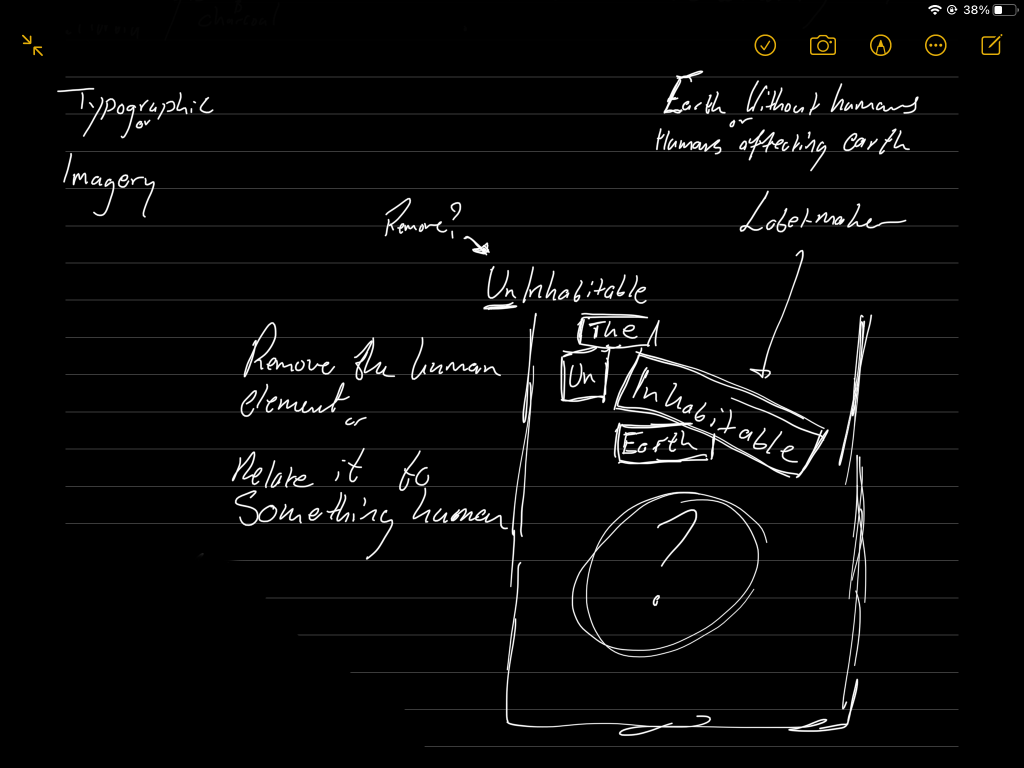
FMP Brief & Inital Thoughts

Degree Show Research –

https://aub.ac.uk/summer-shows/2020/graphic-design/jordan-robertson

https://freyjachase.wixsite.com/portfolio/narrative

https://www.feewalter.com/

The true breadth and variance in FMP projects I have seen is astounding as well as inspiring to me, I feel I truly can make whatever I want. I think it is important to consider what I am really interested in, in both design and general life as this is the longest graphics project I have ever undertaken, it will become my entire life for the remaining time of my degree and so it must therefore push my far out of my comfort zone as well as be my most successful project to date as well as being my most extensive due to the longer than usual timeframe.

After reviewing some previous FMP entries, I am particularly interested in the entries of Falmouth school of Art, the outcomes above are innovative and interesting, their presentation is as strong as the outcome themselves and show a clear message as well as determination to communicate a strong message. For my own project I think the first logical step is to consider what I enjoy and then see how these things could be twisted into a potential stimulus for my FMP.

I love to learn new things, if this can be considered a hobby, the knowledge gained from learning as much as possible is something I massively enjoy, I am unsure of how this can be turned into an FMP at this stage, but perhaps it needs further delving.

Picking apart my hobbies and activities further I have worked a part time job in hospitality for the past two years alongside my degree, this employment has brought not only additional income, but also offered a change of pace from my degree when I am facing burnout and the opportunity to learn a plethora of new employment skills and interpersonal experiences, these experiences when working 12-15 hour shifts with a small team has summoned some memorable experiences and prompted interesting conversations on how several aspects of the hospitality industry can be improved/changed.

I view good design almost as a superpower, successful designers are set apart from most other professions due to their sole ability to make, real good change for everyone in the world. I truly believe that creative problem solving is a never-ending process for positivity, and that there is no better motivation in the world than being able to help those around you, and then see the change that you have helped to bring. This has made me think that perhaps a project based around improving/helping the hospitality industry may be a good angle of attack for my FMP, given the current situation with COVID-19 the hospitality industry has been decimated and those who were working and forming tight knit relationships with their colleagues are now found without the long working sessions that offer the unique experiences they have gone without for an entire year. Alongside the constant threat of redundancy and complete obliteration of the hospitality industry itself.

Helping to bring people back together needs a better format than endless forced zoom calls once per week, this became stale before the first lockdown had ended and thus the continued lockdowns almost a year later have taken a huge toll on everyone, the thin cushion of furlough has left individuals with minimal to do and limited contact with others, but with all the time to worry and fear for their future. My FMP could focus on helping to elevate this issue through the power of good design, there has been attempts at this throughout the last year, but they all seem to be a short flash in the pan, zoom quizzes, house party apps, virtual sessions of every kind all seem to help alleviate the issue for a short amount of time, but no one seems to quite be hitting the mark with consistently resolving the issue, the format becomes stale and the activities available become mundane and isolation creeps back in as zoom call rooms becomes silent and group chat desolate.

How can this issue be solved? and be solved in the long term? does it perhaps not lie in the format of virtually bringing people together, but instead could it be in delving into the brains of those affected and studying what can be done there.

The Brain

The human Brain is a massively impressive organ, it is so unbelievably complex that it is currently impossible to emulate, and perhaps never will be an achievable feat. The human brain and its potential is perhaps endless, there is already and almost endless stream of research on the brain in an attempt to understand it, and there are so many paradoxes involved with the very nature of studying the brain, the fact that when reading about the brain, an organ is simply finding out about itself things that it does not know it can do. For a person who loves to learn and explore unusual and innovative subjects this is incredibly interesting. More with this, as the brain is merely a vessel for perception, and there truly is no correct way to see things.

https://www.livescience.com/21275-color-red-blue-scientists.html

This article goes into further detail about this idea, the whole premise of perception is incredible, and holds more potential once delved into further. Given that everything is purely subjective, the brain can be tricked and trained to a certain degree, every human is different and interprets not only different colours differently, but the lives we live shape the behaviours we consider positive or negative.

Super Mario Effect

looking more into this idea of re-writing your brain at will and everything about you and what you experience is simply down to the events that have happened previously, I have found some talks given about how to do this. Coined the super Mario effect by Mark Rober.

I find this extremely interesting and hope to find more research and terms for similar things to this. Your brain is truly whatever you want to make it, tasks are perhaps not what make it difficult, but the perception and approach to the task is what sets the difficulty, when completely motivated a person can spend all the time in the world trying to solve a problem and never encounter any negativity, the brain simply needs to be trained appropriately for that scenario.

Futher research into this has brought more talks and further terms that I can explore,

Brain/Neuroplasicity

The term Neuroplasticity is an extremely new term, the research behind it has been focussed massively in only the last 10 years. Briefly explaining what neuroplasticity is would be to say that it is the brains ability to rewrite itself, able to modify itself based on the experiences by the body surrounding the brain the potential for neuroplasticity is huge, everyone does this natural without realising, it’s how humans learn to be more efficient at the same task grasping the more efficient way of completing the task, the brain will natural lose the ability to complete it the less successful way.

Without knowing the official term, I myself have undertaken this to an extent previous to university and found its effects massively useful, I wished to learn to write calligraphy as well as wished to become ambidextrous, given i am naturally (VERY) left handed I thought this would be a strenuous and relentless process. In the end all you have to do is start doing everyday tasks with your opposite hand, combined with 10 minutes of cursive practice a day the brain can learn to be fully ambidextrous, however, given that I only learnt to write cursive with my right hand, my brain had not made the connections necessary to write un-cursive with my right hand, and so I can complete complex calligraphic tasks with my non-dominant hand, but am unable to write neat, regular handwriting. This is neuroplasticity in action, on the surface is may seem like a simple, funny story generator and tip to learn more useless things, however it is currently transforming the world of therapy.

Therapy is no longer what is used to be, you do not simply sit and talk about your issues and work hard to learn how to live with trauma or other issues, but from my research and from asking those who have undertaken therapy it now consists mainly of these neuroplastic based exercises that literally rewrite your brain to stop considering behaviours and experiences as negative, this not only works with victims but also offenders, those who are aware of offense behaviour within themselves can simply ‘cheat’ that out of them by training their brain in simple, everyday exercises.

This is new research and thus, there is much more to be discovered but the potential here to bring this contemporary knowledge out of high walled therapists and into the hands of those that need it most could be a life changing opportunity for my FMP.

Further information can be found here;

https://theconversation.com/what-is-brain-plasticity-and-why-is-it-so-important-55967

https://www.frontiersin.org/articles/10.3389/fncel.2019.00066/full

Hobby/Concept Two – Space

Something else I am often irritating my peers with is a love of astronomy, the vast and incomprehensible scale and nature of space has interested my throughout my entire life, phenomenon that are considered impossible on our planet can be everyday occurrences on others, and taking the time to be able to comprehend the vastness of space can often result in being left in awe at what is possible. I think this could be interesting to stem some research from, creating a project based around making space easily comprehensible and therefore sharing the massively interesting information that I regularly come across would be an interesting and engaging design challenge.

Light Pollution and the stars

Growing up in a very small village in Mid-Wales.

https://www.google.co.uk/maps/place/Berriew,+Welshpool+SY21+8BT/@52.6003842,-4.3243236,8z/data=!4m5!3m4!1s0x487001de78ad6803:0xcba7eb2a296b63eb!8m2!3d52.600386!4d-3.203718?hl=en-GB

I often have had to opportunity to stare into the night sky, in a vast field, able to see the milky way itself alongside with more stars in one sky than I could possibly hope to count. Something consistent with people coming to see this, is no matter what the background of the person standing surrounded by nothing, into the vast open sky, the person is mesmerised and somewhat humbled, saying something philosophical, completely out of character simply in awe that the sight above them. I think this is an experience that should be able to be shared with more people, especially in current times when everyone is stuck living the same day over and over again, some have complex coping mechanisms that have allowed them to remain relatively unaffected by the lack of change and external stimulus, however even the strongest have shown cracks and could benefit from something new, a change in their day that could be humbling and intriguing.

Something I noticed when moving to Cardiff is the high amounts of light pollution and thus, the massive reduction in the sights in the evening, people do not look up when living, in a time when looking forward and hoping for better circumstances is ever prevalent, perhaps some kind of campaign/advocation for a reduction in light pollution would allow people to stop for a moment, look up and find a change in their days that could benefit everyone and put them into a state of awe that i have only seen a handful of times.

Light pollution is a well known phenomenon that has many effects besides simply obscuring the night sky, articles can be found here listing the full effects.

https://www.gov.uk/guidance/light-pollution#:~:text=For%20example%2C%20light%20spill%20can,e.g.%20plants%2C%20animals%2C%20insects%2C

A combination of astronomical editorial design in order to pique peoples interest accompanied with a campaign advocating with a reduction in light pollution would then find greater impact.

Space Design

https://www.behance.net/gallery/73426959/COSMOS-Redesigned-Illustrated

https://www.behance.net/gallery/79787953/Where-Two-Worlds-Meet-ISTD-2019

Moving Forward

I feel both my concepts have strong roots, they are issues that can solve world problems and make the world a better place, they both have the opportunity to create ambitious outcomes that will show innovative creative thinking as well as opening up an opportunity for scope that can shape my design careers future after university, the possibility to progress these projects further with Not For Profits would be an honour and could begin as early as contacting the right organisations within the research phase, hopefully keeping their interest in my project and beginning the forming of professional contacts.

I will take these two concepts and begin looking beyond the theories behind them, perhaps a deconstruction of what already exists on these topics would help me form a better idea of the outcomes and context my ideas will sit in, initial thoughts upon reflection of my Level 6 portfolio shows a lack of large scale animations as well as a lack of UX/UI, perhaps my context will be a motion based outcome, that will hope to capture the interests of those who watch it.

Penguin 2021 Research and Experimentation

My choice for the penguin 2021 student competition is The Uninhabited Earth, by David-Wallace-Wells

I decided to choose this book due to my personal interest on the matter it holds itself within, it’s interesting and striking subject matter should prove to be a good basis to generate simlarly stunning imagery and type systems.

My thoughts on the book at this early stage in the project are that visuals should refelct the morbid and surprising tones of the book. However the book is written in a sophisticaed tone, this paired with the current cover being quite minimalist makes me think that my visuals should reflect both of these charactersitics and give a clear, professional yet visually hard hitting aesthetic.

Something that stood out to me within the book that I think is persistent throughout is the idea that the stories people have been told that someday not too far away global warming and complete apocolypse is coming, the book states that this is coming far sooner and will be far worse than first thought. The book then proceeds to detail the horrible events that are almost inevitable in the very near future, this overall creates a dark and hopeless tone within the book.

Judging from previous winners of the penguin awards, I think that the key to creating a successful book cover seems to lie within illustration, accompanied by a very themed and consistent typography system in place. Illustration is not my first inital thought when attempting to tackle any project and so this will prove to be a challenging and skill aquiring project for me if i do choose to go down the illustration root. I think that illustartions naturally make for interesting book covers due to the wide range of styles available, this allows the boko cover to stand out when placed on the shelf.

Researched Conceptualisation

The Human Effect

Humans & life itself play a key part of this book and so I think this should be a key consideration when experimenting with visual styles, the book tells of humans eraditacting the earth and tells us we are in a short state where the earth is rapidyl being destoryed, but humans remain for the time being. This raises important questions as to whether the book cover should feel very human, or alternaitvely should be devoid of human feeling and look desolate, mirroring an uninhabitanble earth.

The situation that we find ourselfs in suggests that the realtionship between the two states should be shown. The desolate world interacting with very human elements, this immedatley brings ideas into my head for typefaces choices and makes me think I should include multiple typefaces, displaying the two different states, showing their interaction throughout the covers as well as the spine. This will need to be done intelligently, but still be obivoius enough as to be able to successfully translate the realtionship within the typefaces. I think that the least human appearing typefaces would be those found within label makers or typewriters. I think there is less human interaction within a label maker font and so this could be an interesting visual style to experiment with soon. As for expressing emotions, caligraphic typefaces naturally look very human and hand made, however I think that a professional caligraphy font would look to perfect, in my own opinion, what makes something appear human is not only seeing it has been made, but being able to see how it has been made in the finished product. I would need to find a balance between a rough handmade typeface and still having my cover be high quality and professional.

The label maker type can be easily manipulated and colour adjusted as to fit the visual style of my cover, inverting the text can allow it to stand out on a dark background as well as the plate backgrounds the letterforms sit can be used as an opportunity to have the text interact with surrounding elements, or perhaps even other text placed on the page.

My first experimentation for my penguin book cover focusess on using a smooth and varied colour pallette and in particular experimenting with the use of a physical typeface produced from a label maker, and having the two typefaces used interact with each other, in thhe hope of showing a relationship between humans and their destruction. I think of the colour palletes used here, a mixure of the bright red and charcoal blacks and greys will be most effective for this type of cover, I think this will translate a dark and dangerous atmosphere as well as giving the flashes of red particular impact when placed ontop of a much darker background.

I think that these covers show an effective concept, particuarly within the type systems, the use of a label maker font is effective and serves to give the book cover an interestig and engaging finish.

Self-Eraditcation

A concept that I picked up while reading the book is that humans are eradicating themselves off the earth, and so this prompts me to think, what else’s own existance leads to that things destruction? The list included

Wax (Candles)

Rubber (Eraser)

Fire

Fuel

These objects beging their rapid death the minute they begin ‘Living’. I think this prompts a number of interesting metaphor filled visuals, buring the candle at both ends is already an established metaphor that I could apply a ‘The Uninhabitable Earth’ Themed spin on it, then use that as the main visual stimulus for the front and back cover. This linkks both the use of candles and fire, fire is a particularly poignent basis for metaphor, however it may come out as cliche with all the mentioning of global warming and natural disasters present within the book.

Upsetting the Balance

Humans have been repeated documenteed upsetting the balance of the earth, This presents oporunties to visually and typographically play with scales, delicacy and one event influencing another.

Particularly tpyographic opporunties are brought to mind when thinking about the upsetting of the balance of the earth, a typographic scale that represents urgency and danger, with the entire human kind resting on the tilted end, with everything to play for, and no action being taken to stop the immentent disasters that are upon us.

Toys & Recklessness

We are always told we are ‘children of the earth’. After some thought and brainstorming there seems to be particulalr correlation between the behaviour of a child and human kind treating earth. Exploiting resources and behaving with reckless abandon seems to mirror the behaviour a child has with a new toy, only leaving once the delicate and complex toy has been broken and shattered on the floor. With this metaphor in mind there are plenty of visual concepts that could be explored here, the delicacy of the earth being represented and the shattering of this object, left abandonned to represent the situation humanity finds itself in.

Translating the delicacy of the earth to an egg, full of life, balancing on a thing needle is an interesting image for my front cover, the lack of sustainability of an egg balancing atop a needle is, I think closely related to the situation explored within the book, the story is continued on the back as the egg splits and the yolk works down the page and interacts with the text that surrounds it.

I think this concept is very strong, at the moment the illustrations are only rough sketches and would require refining before my submission. I think that the egg could interact with the text to a more creative extent and that in turn would result in a more playful and interesting front cover. The back cover is stronger at this time due to the layout and type setting, this will still be worked on and the typeface may be changed, however I think that one I have chosen is working as an effective way to translate a human factor in the destruction that is surrounding human kind

The colour scheme is currenlty too bright, this would work if the material were saterical, however for this particualr book I think the colours needs to refelct simiar messages that the text, apppearing human but destructive, this is very much a light hearted approach to the brief, I think the majoirty of the strength lies in the imagery, a revision of the colours and typefaces will help get everything else up to speed.

After reviewing and changing the text and colours I think this cover works much more effectivly, more accuractley portraying a sinister and almost classic horror aesthetic this example works to conern the audience and help the browns of the image and text to bounce higher of the page and elevate the book cover above others that would surround it on the shelfs.

Lack of Hope

A further atmophere created within the book is this feeling of ‘no hope’. Humanity perhaps has gone too far down the hole to be able to crawl itself out, seemignly creating the perfect mechanisms for their own destruction, this is represented by the nut placed firmly into the nut cracker, as humanity the squeesing has begun and there is only a short matter of time before earth crumbles into uninhabitable.

I like the concept for this cover and I think it can benefit from further exploration, the visual style is simair to my previous example and thus I think it is successful, the colour scheme goes further into this dangerous and sinister atmposhere, while the current image is a photograph I think that it perhaps should be illustrated, in similar colours. A duotone scheme may work to lay out the facts with less nonsense, given the book spells out the facts without beating around the bush this may be a very effective method of exection.

Moving forward I think all my ideas would benefit from further developement in the couple of days remaining in the project, my time for conceptualisation has perhaps ended and I should spend theh remainder of my time reeling my ideas in and refining them into their best possible outcomes.

Final Outcomes & Scope

Criticality has been a quick and sufficiently different design experience compare to what i am used to, it has challenged me mainly in the ideas stage as the designs I have been creating have been made with relative speed and efficiency, the designs do not need weeks of altering type and visuals slightly but instead more heavily require a sound idea and message behind them, this means I have spent a much larger amount of time note taking and brainstorming than usual projects, this combined with a further reduced time to actually make the designs within the three week timeframe has meant that I have been pushed out of my comfort zone, to present bold ideas that can be expressed quicky and intelligently. As well as this my work must stand on it’s own, my entire submission rests on the document above, this small amount of text must explain everything about the work, and the work itself must say the rest, this, again has tested that my designs must have a strong and easily grasped, but still intelligent message.

In the future, I hope to print these designs physically, and then by using thin, 60gsm gloss paper stock I can manipulate existing magazines to include my own adverts, then proceeding to photograph these outcome within the magazine context, this will help to deliver my message more accurately as well as offer a physical outcome within my portfolio, that I could bring to interviews and offer an interesting conversation about my work, boasting an element of interactivity that could potentially push me further than other candidates.

Outcomes & Message

My next round of developed outcomes utilise a typeface from previous experimentations, this allows me to carry the feminine connotations of the typeface and take those connotations even further with the floral designs shown below, these are hand drawn illustrations, they have been hand drawn as it allows me to have greater control over how they look and where they will exist on the page, I have kept with the same colour scheme as the pink acetate sheet as to compliment my message as well as give further connotations of femininity.

My outcomes here are stretching into dealing with issues with toxic masculinity, I am still deciding if it should do this, it does expand the message and the potential for my work, however in the short term it does seem to rather dilute the message as it simply touching upon multiple issues rather than dealing with one contemporary issue in enough depth.

I think the notion that pink is expensive needs to be revisited after these designs are finished, the slogans have begun to move too far away from what sits at the centre of my research, the basic idea that pink is the most expensive colour and simply making something pink therefore makes it more expensive.

I think my typeface chosen here is much more legible than the previous, stencil typeface and therefore should be used more often, given it’s massively improved legibility it allows me to include more slogan type modifications to the page, this will help to give my work more depth and allow it to build it’s own tone alongside delivering a hard hitting and important message.

In addition to the improvements needed to the slogans and general type systems, I think that the price alterations need greater emphasis, this is what my designs are all about, the Ludacris increase in price just for having the same product, but pink. Simply adding a small 0 at the end of the price does not pull enough attention towards the price increase. I propose to improve this by utilising the vines and stalks within my floral illustrations to slightly obscure the original price, but still having it visible but the vines will simply be there to direct attention to the bright pink area and therefor placing the new, 30% higher price next to the vines and stalks will allow viewers to better appreciate the fact that the price has been increased, simply because the product in front of them is now a pink version of what existed before. This keeps the message as strong as it was before but continues to allow the viewer to make the connection themselves that pink = expensive, a message that must be in the front of my mind when creating anything for this project.

Typographic and Visual Refining

Keeping with the original colour scheme of various shades of bright pink has worked well for the outcomes above. I do feel as though the workload is unusually light with these outcomes, I think that the pink acetate sheet is a positive outcome, but it has a lot more potential I have the opportunity to block out certain parts more innovatively rather than simply using a paint stroke to graffiti over the original price. There is a large amount of empty space still on the page, I could completely re imagine the advert, replacing slogans and visual systems and then replacing them with my own, this combined with still remembering to use some of the already existing elements could prove to create a more effective outcome. Finally I think the typeface is simply doing the job at this point, it could be improved, being able to function and carry my message as well as doing much more. I think this could be done by really going into more depth with my typographic systems, and perhaps play on the layering aspect to a greater extent, use rotated and inverted titles that display across the entire page and direct the user, implementing an effective hierarchical system would not only show a greater set of design skills for my portfolio, but also open up more avenues when it comes to translating my message.

Starting with my typographic rethink I have implemented a change in typeface, this neat, stencil styled typeface translates my message of rebelling and overlaying more strongly than in the previous examples. The large but minimalistic letterforms would work well to create some negative space shapes as well as taking the serifs and type properties and turning them into objects and shapes themselves, I think creating additional visuals this way would help to keep everything tied neatly together and prevent a dilution of my message.

As well as using a new typeface I have began the creation of a logo marque, i think this could make my message more easily identified. If I were to put my fake ads into real magazines this marque could be placed somewhere either on the page itself or be present somewhere on the pink acetate sheet that overlays, this could help to pique peoples interest, accompanied with some logo type with a name, something as simple as ‘pink taxed’ would perhaps prompt people to search the term up after encountering one of my designs and then finding out more about the topic, after their attention has been diverted to the issue.

My marque here takes from the typeface itself, using the curve of an ‘s’ letterform to create a shape that illudes to a ‘roughly equal’ symbol often found in mathematics, carrying the message that, clearly products prices are not quite equal to their quality, and that they simply change depending on which audience the product is being advertised to. The colour scheme remains pink in order to continue the brand message and to keep everything coherent.

After being inspired by the fronts of razors blades when creating my logo marquee, I think moving forward, there is potential to use the image and message of a razor further on in the project, perhaps creating faux razor advertisements that expose the problem more directly and explicitly, something like taking a Gillette ad for men’s and women’s razors and cutting it down the middle, exposing that the products within are literally the same, but then highlighting the price difference for each ad. This would tell my message more consciously, but it is also extremely explicit, there is nothing for the viewer to think about and all the information is provided for them, this lack of a need for thought could perhaps lessen the effectiveness and intelligence of my designs and thus perhaps not work as an effective concept.

‘Pink is Expensive’ Concept

After thinking of exploring the preconceptions of masculinity and femininity I have found a larger area of research, the official term is the ‘Pink Tax’, statistics are found below.

the pink tax is well known, but perhaps not well considered or represented in design. Within my research for the topic I found a large amount of basic, infographic style graphics like those above, these simply labelled the problem in an informative manor, not actively engaging people’s emotions with the topic area, something that is so key to successful design. These infographics are often made quickly and not represented by larger bodies, the only example I could find by a largely recognised company was a single page created by VOGUE found here.

https://www.vogue.co.uk/article/pink-tax-women-money-christine-jardine

This is once again, simply an article and graphic loosely being informative about the subject area, lacking creativity and innovation to engage people’s mind. The pink tax is seen within almost every large scale company, even in adverts from companies like Gillette who’s razors show no difference despite a change in colour and the occasional inclusion of flowers to their razors, and yet their prices are seen rising when aimed at a feminine audience

This research comes down to one discernible fact, that pink is expensive. It’s the most expensive colour a product can be, it raises the price of the product by around 30% and up to 108% simply by being that colour, this straight up, almost mocking tone would help to deliver my message in plain sight, but also allow others to engage their emotions by figuring out more implicit messages that I can implant within my designs. Engaging with the stereotypical would allow me to vandalise the ads that already exist but still allow the viewer to see the change taking place before them. The most achievable way this could be done within the time frame would be to print onto a pink acetate sheet, and that could then act as the pink filter, easily turning everything on the page at least slightly pink, alongside having the page turn pink, alternative messages could be printed onto the acetate, creating subverting messages as well as supporting in turning the page feminine, supporting the price increase that would occur after the filter has been applied

The concept of pink being expensive is a ridiculous thing, yet it appears to be happening to a large scale of products, my critical design could implant on top of ads that already exist, not a million miles away from ‘the fuclcromer’ I could either theorise a way to see an ad in one way, with the usual colour scheme within a magazine, and then allow the user to input a pink filter over the ad, and this would then mark up all the prices present within that particular advertisement. This could be further explored by leaning into the cliches of femininity as visual and typographical furniture to support my message.

t

Normal
0

false
false
false

EN-GB
X-NONE
X-NONE

Normal
0

false
false
false

EN-GB
X-NONE
X-NONE

/* Style Definitions */
table.MsoNormalTable
{mso-style-name:”Table Normal”;
mso-tstyle-rowband-size:0;
mso-tstyle-colband-size:0;
mso-style-noshow:yes;
mso-style-priority:99;
mso-style-parent:””;
mso-padding-alt:0cm 5.4pt 0cm 5.4pt;
mso-para-margin-top:0cm;
mso-para-margin-right:0cm;
mso-para-margin-bottom:8.0pt;
mso-para-margin-left:0cm;
line-height:107%;
mso-pagination:widow-orphan;
font-size:11.0pt;
font-family:”Calibri”,sans-serif;
mso-ascii-font-family:Calibri;
mso-ascii-theme-font:minor-latin;
mso-hansi-font-family:Calibri;
mso-hansi-theme-font:minor-latin;
mso-bidi-font-family:”Times New Roman”;
mso-bidi-theme-font:minor-bidi;
mso-fareast-language:EN-US;}

the colour scheme of course, must be shades of pink given the theme of the
works. However, for the typefaces used, my rationale for using a rough, pen
like font is that they firstly appear feminine by natural, especially when compared
to more masculine, heavier typefaces. But my main reason for choosing these
types of fonts is that, with the use of the pink filter I am effectively vandalising
the ad, as well as rebelling against the companies that are responsible for the
widescale implementation of the pink tax. Using neater than graffiti but
rougher than super clean delicate typefaces seem to give this message clearly A
sense of rebellion with a touch of femininity.

I think this concept has the most potential of all my ideas so far, with the project coming to an end soon, I will now proceed to execute this idea in a number of context before having my executions reviewed and then improved in direct response.

Afterlife 26/01/21

Jack Renwick

During her time period of talking, Jack Renwick spoke of not only her latest works and careers, but mostly in great length about how her journey from a small child through into becoming an extremely successful and well known graphic designer came to be. As well as explaining how even growing up during a time and place where graphic design was not yet known as a subject area, how alternatives can be found to make your way to ideal career choice. Jack originates from Glasgow and has worked on a huge variety of projects over the past 20 years for clients including Amnesty International, British Heart Foundation, eBay, BBC, Nokia, Royal Mail and Stella McCartney and received recognition from most of the world’s most prestigious awards. Discovering that graphic design was something that could be taken as a career later in life than most discover, then eventually being let into Art school where she recieved qualifications neccesary to begin working for others. However shortly after deciding to take the leap to freelance and starting her own design company aptly named “Jack Renwick Studios”. She now works with 9 designers in London.

Jack encourages everyone to display their work, even when they don’t; think it works, considering how others may find it useful, or, with a different pair of eyes may be able to relate it to something else and solve an important design problem. Getting under the skin of briefs and doing your homework on projects, clients and briefs is clearly as important as making the designs themselves, as it seems you can; t make successful and meaning filled outcomes without first learning everything there is to learn about that brief/client.

I found Jack to be a freindly but confident and innovative designer, her life in design has be carved through years of determination and hard work. Coming from a time and place where graphic design was much smaller than it is now, she has managed to place hersefl as a creative director of her successful studio, where she has a team that clearly appreciate her massively along with everything she does.

Self Aware Design

After more consideration, I think my work can be described as ‘self-aware design’, finding a term for my work may help me in the future, perhaps finding more examples of this being created or for creatin a more concise message when presenting my work.

After research I have found my work exists in very close proximity to ‘AdBusters’ a very well-known movement that works to attempt to stop people from buying so many unneeded products in their lives. This presents a problem that needs to be solved, and I think that an effective way of beating the competition and making my work stand out is to research the messages behind ad busters and seeing what about their work is similar to mine, and then finding a section that I can delve further into that will set my work, and ad busters apart, giving viewers a reason to view my designs over the previous works of organisation like ad busters.

After deconstruction of ad busters, what they do as well as how they do it. I have found that what we are doing is not the same, but the similarities within the ‘how they are doing it’ section are very similar, this means that I need to find a unique point within this section and then push my work further in this direction.

As I am focussing on the visuals of the ad much less than ad busters, the focus on a typographical approach could be focused upon further. A message of ‘buying the typeface, not the product’ interests me, the focus on typography would set my work apart from ad busters as well as allow me to continue to exert my design skills in order to create designs that are flush with fidelity and could still exist within professional grade fashion and lifestyle magazines.

A change in the slogans as well as a larger focus on the typographic elements could see the introduction of slogans such as:

This typeface is only £49, why pay £699 for this?

The visual language of typeface advertisments is prevelent, and can be found quickly on website like behance for research.

A secondary concept could be focussing in more on the idea of masculine and feminine, this has been explored in little detail previously in my first round of experimentation for my faux fashion adverts. The copy writing systems and slogans used previously could be utilised here, the standard looking fashion typefaces used could also be used to help represent femininity, and a bolder, sans serif font could represent masculinity. I could include elements of subversion by having people recognise those stereotypical aspects of the adverts first, then allowing the message the text itself says to say something unexpected and therefore, allow subversion to occur.

I think my second concept has more potential, the first idea would be more specialise, for example if I were to be aiming my designs at those within the design community, the general public may find it harder to recognise the visual language that is associated with typeface advertisements, and thus would spoil the reveal aspect if the more emotional side of viewers brains do not recognise the ads before they are able to read what the text says and examine the advertisement in full.

Moving further into the second concept, the stereotypical ideas of masculinity and femininity in design are very well researched and extremely well replicable. This concept could be toyed with from a design perspective while remaining in the context of fashion, in general the more branded and often feminine a product is, the more expensive that product will be. The concept could be creating two adverts, both for the same product but having the more branded alternative be marked up at a much higher price, this rather implicitly deals with the issue at hand. Without literally having to say “this typeface makes the product expensive” I would still be able to translate this idea to the viewer, and still have a reveal aspect. Hopefully the viewer would recognise the product in both adverts and they’re own reactions to the pricing of it when scrolling through the magazine would make my concept and the designs a successful critical outcome.

Concept Development

Moving forward, I have pushed my faux fashion ad creation forward by first noting down some of the more extreme examples of fashion products and then, theorising my own, more extreme products that could be advertised falsely alongside the real examples.

My research mainly sat with the companies Balenciaga and Gucci, as they were identified early in my research for their easily replicated logo marques and general visual identity, their products appear to generally combine two concepts together in order to make one, high fashion product. Such as combining a high heel with a scrunchie, or a watch with a weighing scale.

These examples are very extreme and would have to be seen to be believed even though they are currently being sold for £1000+. This makes the conceptualisation of products more difficult, but should make their construction and fidelity stronger, as the audience that would be looking through my faux fashion magazine would already be accustomed to concepts like door hinge heel and platform crocs, the problem is that, when I attempt to make these un-sellable products that no one would believe exist, they do exist and are already being sold!

A Typeface You Trust

While I am encountering issue with the product side of the project, my emphasis on the typeface that is selling the products is growing, the idea that the consumers are buying the typeface over the product could be an interesting way to execute my ideas, a more typographical approach would allow me to side step lots of the problems that are occurring with the visuals, as well as streamline the production time of my outcomes, allowing me to spend more time developing my core message over creating flashy faux fashion visuals. There are already many stock image available of products, these high quality images are perfect for manipulation and further, typographic expression this avoids the issue of having to capture photos myself without access to a photography studio, which I think should give my ads the fidelity needed to be functional.

My experimentational outcomes are below.

I think my more typographic approach has raised interesting points. Firstly, the generic looking product was originally thought to be a problem, however the fact that the image is so generic carries a message within it, that it doesn’t matter what the product looks like, what people want is the typeface, the brand that they know to sell this generic looking product, often with a higher mark-up price due to the brands reputation. The slogans used here help to support that message and I think that my theory devised in previous blog entries is being executed well here, these ads could easily belong within a high quality fashion magazine, with typographic systems assisting to build up the fidelity further. The typographic systems and the slogans themselves are powerful, they subvert the message of the ads that these examples would be surrounded by and I think that this has the basis for a successful critical design campaign. The slogans are good, but they could be developed further and due to the fact they can be easily changed and executed I am able to come up with a larger number of slogans, and then find stock imagery to fit the best slogans that I am able to come up, Further slogans are listed below.

CONTINUE IGNORING THE PROBLEM!

Bliss Ignorance! Now in Red

TRUST YOUR BRAIN! we’ve manipulated that part…

GAIN (VERY) TEMPORARY HAPPINESS NOW!

This is for Men, so has manly text

Context

I think that context is an important factor here, the adverts need to be executed in the a way so that they will deliver maximum impact according to the theory I have researched. A faux fashion magazine is a solid way of doing this, but is also perhaps quite linear, and therefor would benefit from some further brainstorming, if I am going to print my designs, could it be improved by considering the wide range of binding and printing techniques available in order to put greater emphasis on the message I am hoping to convey.

Using already existing format concepts within fashion magazine as inspiration I could create my ad and have the subverted message on a hidden third page on the spread, this would make the reveal more physical rather than mental, however I think this might actually make my work too linear, this would require me to make two ads, one with regular messages and another with the subverted message, this would disrupt the multi-layered approach and as a result would perhaps lower the sophistication and intelligence input into the designs. The alternative context concept would be to create a larger scale poster style advertisement with wither tear able or foldable tip ins that would have the ability to reveal different kinds of information at the viewers will, but still allow me to have complete control over what the viewer would see upon initial viewing of the advertisement. This examples could still exist within a fashion magazine, but would stand out more when placed within a magazine due to its added thickness and paper weight, this would spoil the fidelity slightly as when the user would be turning the pages, they would immediately detect that there is something wrong with this particular spread, and so perhaps bringing too much attention to it, raising caution and slightly spoiling the revealing aspect of the typographic elements after the initial manipulation has occurred.

Moving forward with the project I think I should continue considering context as an important part of my outcomes, existence within an already functioning magazine appears to be vital, however I am still considering what I can do that the pages that I have created in order to give the reveal a greater impact and ultimately, make my outcome more effectively critical.

Criticality Research & Idea Generation

Critical Design asks a designer to change from their usual route, rather than creative problem solving, critical design asks me to delve into events throughout the world and find the problems that exist within. From my introduction lecture I have extracted that critical design tends to exist in the bastardisation of the affirmative, effectively finding problems and bringing attention to them through the ability to take language and preconceptions made by the human mind, and then implementing subversion to create a new and attention bringing message.

Critical design has been executed throughout history and is often done without realisation by the creator/author. This makes interesting prompts for research, as I should be able to extract meaning out of projects and designs that were not built for the purpose I will be researching within.

Inital Research

Initially I think this project would benefit from taking my research from my dissertation, my dissertation is a large and well researched document that discusses the transgression of propaganda as well as having a focus on the emotional manipulation and preconception that occurs within advertising on a daily basis. I find that people will often buy products that “feel right” and this is the main reason for brand loyalty, through my dissertation research I discovered that this is not due to effective and well made products, but instead subtle psychological manipulation by the creators of the products themselves, they will attack the viewer at the areas of their brain responsible for emotional responses and due to the lack of audible communication, their bodies are literally feeling wrong when they do not agree with the advertisement in front of them.

A video can be found here that discusses this phenomenon in further detail: (Start with Why video).

This is extremely interesting and contemporary from a graphic communication perspective, the minds association with certain typefaces/visuals will take focus away from the actual product themselves, this would be an interesting thing to subvert for my criticality project, seeing if I can potentially persuade people to do something or have people minds engage with the material I create simply due to their minds association with the material put in front of them.

Further research into different industries finds that high end fashion is a good example of this. The branding and language used across the vast majority of companies is concerningly similar (Examples Below of several ‘different’ companies logos)

The similarities do not end with the typeface and marque choice, after research into the magazines themselves, the heavy visual approach often uses a very similar structure, with some examples below.

This structure of hero image accompanied by smaller, similar images with a neutral background is common and thus easily replicated, alongside the very small variation in typeface makes, in my opinion a perfect opportunity of critical design and bastardisation.

After a (very short) browse on adobe fonts, even this early into the project I am able to find typefaces that perfectly reflect the vast majority of the largest companies within the fashion industry, which are shown here.

This can then be quickly turned into my own visual material that allows individuals minds to think of high fashion, until the message is actually read.

This effect would only be greatly increased once the material created is created with a greater sophistication and especially once fidelity is incorporated into the fashion adverts themselves, using supported visuals that could be made myself, allowing me to exert my graphic design skills to create a piece of critical design.

Critical Adverts

As my topic of interest at this stage exists within an advertisement space, and my interest also lies within bastardising the affirmative, I would benefit massively from some research into what already exists within this area.

https://www.hungertv.com/feature/photographer-jack-dalys-satirical-80s-ads-challenge-the-concept-of-masculinity/

Satirical advert creating photography Jack Daly’s works appear to exist in a similar space to where I want mine to exist, the subversion of already existing visual language, this being a call back to 1980s advertisements the actual material is looking dated on purpose in order to increase the level of fidelity found here. The adverts seem almost light hearted and thus I think it makes the message behind the slogans and imagery just that much more powerful. I think this is where the most powerful and successful subversion will occur.

I think the fidelity is a key factor here, if the audience and their emotional responses in their minds do not jump to the 1980s before they even have the chance to read the messages on the poster, then the poster will have failed at its purpose. I think I will have the best chance at achieving this myself in the experimentation phase by exploring the fashion industry, given my previous research as well as the easy replicability of the material due to a lack of variance.

However, I do not think I will create my final outcomes on the fashion industry, I do believe I need to find an issue that I am more passionate about, and then expressing that issue through critical design, My explorations in fashion are simply allowing me to explore and confirm my theory of how to create the advertisements that I hope to make, if this turns out to be true then I should then hold the ability to make ads for a large variety of issues in a short amount of time.

A point for thought is that I do not need to only attempt to trigger peoples emotional preconceptions only through the material, it could be possible to do this through my context, for instance if I were to use a certain paper stock, or present my work in a certain document style, then the actual holding of the document or device could take my audience to a desired place, before they are able to access the full information and have the truths revealed before them.

Moving forward I think I should explore further into creating examples of this within the fashion industry, but I should also, in the background, comb for better personally suited topics and issues that I can use my research for.